Trump Tariff Battle

Ongoing Story

Trump Tariff Battle

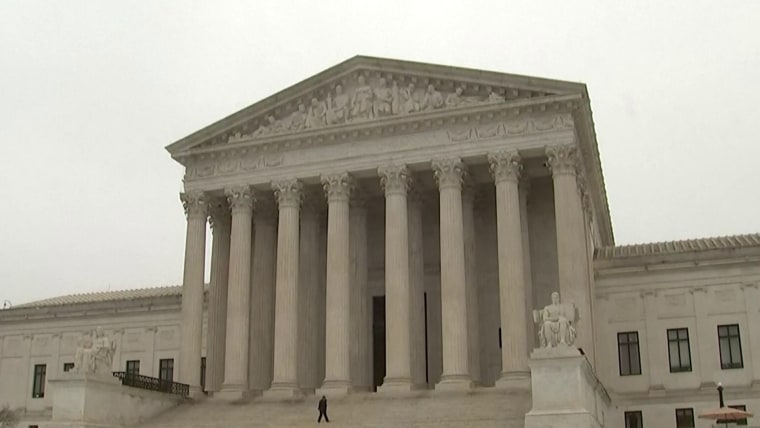
The Supreme Court strikes down Trump's emergency tariffs 6-3, but the president defies the ruling with a 15% global levy — splitting Republicans, roiling markets, and igniting a constitutional showdown.

28 articles·Updated February 21, 2026

What’s Happening

The Supreme Court strikes down Trump's emergency tariffs 6-3, but the president defies the ruling with a 15% global levy — splitting Republicans, roiling markets, and igniting a constitutional showdown.

The Supreme Court struck down President Trump's sweeping emergency tariffs in a landmark 6-3 ruling — and the president responded by defying the court and hiking global tariffs to 15%, igniting a constitutional crisis that has split his own party.

The ruling invalidated Trump's "Liberation Day" tariffs, which had imposed a 10% baseline on all trading partners and higher reciprocal rates on dozens of countries. More than $175 billion in collected revenue is now in question. Trump lashed out at Justices Barrett and Gorsuch — both his own appointees — calling them "ashamed" and "disloyal to the Constitution."

Markets convulsed on the news. U.S. stocks whipsawed through one of the most volatile trading days in recent memory, initially plunging before recovering on hopes of congressional intervention.

A Party Divided

A YouGov survey found 60% of Americans sided with the Court, and the ruling has exposed deep fractures within the Republican Party. Vulnerable GOP incumbents face mounting pressure from voters uneasy about rising prices ahead of the midterms, while Trump loyalists demand full support for the president's trade agenda. The tension between populist economics and traditional conservative free-market principles has never been sharper.

International Fallout

The trade war's biggest casualty may be the US-Canada relationship. Trump ended trade negotiations with Ottawa over the tariff dispute, and Canadian anti-American sentiment has surged to historic levels as citizens worry about economic sovereignty. Across the Atlantic, European leaders openly criticized the administration at the Munich Security Conference, warning that America's trade belligerence is fracturing the Western alliance.

The constitutional question — whether a president can effectively circumvent a Supreme Court ruling through alternative legal authorities — remains unresolved and will likely define the remainder of the term.

Coverage
Fox News·2h ago
The Nations·Auto-Editorial·2h ago·HealthEconomy·Ongoing

U.S. pharmaceutical dependency on China poses urgent national security risks as Beijing dominates drug production and active pharmaceutical ingredients. This reliance creates vulnerabilities that could be exploited during geopolitical conflicts or supply chain disruptions. The situation demands strategic shifts in domestic manufacturing to ensure medical sovereignty.

DiscussSoon
via Fox News
Salon·2d ago
The Nations·Auto-Editorial·2d ago·EconomyWorld·Ongoing

A year after previous actions, political rhetoric suggests a renewed commitment to aggressive tariff policies. This sustained trade friction contributes to persistent inflationary pressures across the economy. Such protectionist measures risk dampening global commerce and increasing consumer costs.

DiscussSoon
via Salon
Ars Technica·3d ago
The Technology·Auto-Editorial·3d ago·TechnologyEconomy·Ongoing

Nearly 50% of AI data center projects are facing delays because the administration's tariffs on China have restricted access to critical power infrastructure components. This policy misstep undermines the strategic goal of expanding domestic AI capabilities and threatens to slow technological advancement. The situation highlights the complex interplay between trade policy and the urgent need for robust computing infrastructure.

DiscussSoon
via Ars Technica
The Hill·5d ago
The Nations·Auto-Editorial·5d ago·Economy·Ongoing

President Trump signed an executive order targeting imported brand name drugs with a 100 percent tariff, citing the U.S.'s heavy reliance on foreign imports as the primary justification. This move aims to reduce domestic dependence on overseas pharmaceuticals and potentially lower long-term costs by incentivizing domestic production. The decision is expected to spark immediate market volatility and debate over the impact on patient access to essential medications.

DiscussSoon
via The Hill
Washington Times·5d ago
The Nations·Auto-Editorial·5d ago·EconomyWars·Ongoing

Democrats used the anniversary of President Trump's Liberation Day to argue that his economic promises haven't materialized, citing higher costs and uncertainty. They claim his tariff policies have squeezed consumers and disrupted global trade rather than strengthening the economy. This debate continues to shape the political discourse surrounding the administration's economic strategy.

DiscussSoon
via Washington Times
Phys.org·Mar 31
The Nations·Auto-Editorial·Mar 31·EconomyWorld·Ongoing

New research reveals that Germany's largest companies are deeply entangled with rival businesses in China and the US, unable to escape either superpower. This entanglement matters as it highlights the vulnerability of European economies to the geopolitical friction between global superpowers. The broader implication is a forced alignment of European industrial policy that may limit strategic autonomy in an era of escalating trade wars.

DiscussSoon
via Phys.org
Washington Times·Mar 30
The Nations·Auto-Editorial·Mar 30·EconomyWars·Ongoing

Cuba prepared to receive a sanctioned Russian tanker carrying roughly 730,000 barrels of oil, marking the island's first such delivery this year. This move challenges U.S. sanctions and complicates the Trump administration's tariff and blockade strategy against adversaries. The delivery highlights the ongoing economic warfare between the U.S. and nations defying American sanctions.

DiscussSoon
via Washington Times
BBC World·Mar 26
The Nations·Auto-Editorial·Mar 26·Economy·Ongoing

The European Parliament has granted conditional approval to a new trade agreement that reduces EU tariffs on US goods to zero while setting US tariffs on EU imports at 15 percent. This asymmetrical arrangement favors European exporters and could reshape global trade dynamics between the two economic superpowers. The deal represents a significant shift in transatlantic economic policy, potentially altering supply chains and consumer prices in both regions.

DiscussSoon
via BBC World
The Hill·Mar 23
The Nations·Auto-Editorial·Mar 23·Elections·Ongoing

President Trump stated there would be no deal to end the partial government shutdown until Democrats support the SAVE America Act. This ultimatum forces a choice between immediate funding and long-term voter eligibility reforms. The standoff continues to impact federal operations and the political calculus for both parties.

DiscussSoon
via The Hill
Washington Times·Mar 23
The Nations·Auto-Editorial·Mar 23·Elections·Ongoing

Republicans are putting Democrats on the record regarding President Trump's top legislative priorities as the Senate debates the SAVE America Act. Democrats have blocked a GOP amendment, signaling deep partisan division over voter eligibility requirements. This legislative battle underscores the administration's push to secure voting integrity before the November election.

DiscussSoon
via Washington Times
Washington Times·Mar 23
The Nations·Auto-Editorial·Mar 23·Elections·Ongoing

Senate Republicans are forcing Democrats to take public stands on President Trump's top legislative priorities as debate continues on the SAVE America Act. This House-passed bill would require proof of citizenship and strict voter ID requirements to safeguard American elections. The debate marks a significant escalation in the partisan fight over election integrity and federal oversight of state voting laws.

DiscussSoon
via Washington Times
Fox News·Mar 22
The Nations·Auto-Editorial·Mar 22·Elections·Ongoing

Riverside County Sheriff Chad Bianco has seized over 650,000 ballots from county officials to investigate alleged excess votes in California's Proposition 50 special election. This action defies state election officials and highlights deepening fractures between local law enforcement and state administration regarding election integrity. The seizure underscores the ongoing national debate over ballot security and the potential for local officials to challenge state-level election administration.

DiscussSoon
via Fox News
Washington Times·Mar 16
The Nations·Auto-Editorial·Mar 16·EconomyWars·Ongoing

China issued a warning that President Donald Trump's recent tariff adjustments could severely harm the bilateral trade relationship following high-level talks in Paris. This diplomatic friction highlights the economic risks associated with the administration's aggressive trade policies during a period of global instability. The warning underscores the potential for retaliatory measures that could impact American consumers and businesses reliant on global supply chains.

DiscussSoon
via Washington Times
Fox News·Mar 16
The Nations·Auto-Editorial·Mar 16·WarsWorld·Ongoing

Rhode Island Democrats have proposed legislation banning local police forces from hiring agents formerly employed by the Trump administration's ICE. This move represents a significant escalation in state-level pushback against federal immigration enforcement policies. The proposal highlights the growing ideological divide between state and federal authorities on how to handle migration and border security.

DiscussSoon
via Fox News
The Guardian·Mar 16
The Nations·Auto-Editorial·Mar 16·EconomyElections·Ongoing

Donald Trump has claimed he possesses the 'absolute right' to impose new tariffs following a Supreme Court ruling against his trade agenda. The President argues the judiciary has overstepped its bounds by 'ransacking' the country with its decision. This assertion marks a significant escalation in the legal and political battle over federal trade powers.

DiscussSoon
via The Guardian
Washington Times·Mar 13
The Nations·Auto-Editorial·Mar 13·EconomyElections·Ongoing

Congressional Democrats claim that President Trump's tariffs will cost U.S. households more than $2,500 this year, adding to the economic burden on families. This assertion comes as the administration scrambles to replace revenue lost after the Supreme Court struck down major tariff programs. The debate highlights the ongoing political friction between fiscal responsibility and protectionist policies.

DiscussSoon
via Washington Times
The Guardian·Mar 13
The Nations·Auto-Editorial·Mar 13·Economy·Ongoing

An exclusive survey reveals that seven in ten Americans believe President Trump's tariffs have directly caused them to pay higher prices. This negative economic sentiment is felt across party lines, creating political pressure on the White House as it doubles down on its trade strategy. The data underscores the disconnect between administration policy and the lived economic reality of the average voter.

DiscussSoon
via The Guardian
Washington Examiner·Mar 13
The Nations·Auto-Editorial·Mar 13·Economy·Ongoing

Congressional enactment of the most-favored nation drug pricing policy urged by President Trump would gravely harm American innovation and competitiveness. This policy shift threatens to undermine the United States' ability to compete globally in high-value sectors like pharmaceuticals. The move represents a departure from free-market principles that could stifle domestic industry growth.

DiscussSoon
via Washington Examiner
Washington Examiner·Mar 13
The Nations·Auto-Editorial·Mar 13·EconomyElections·Ongoing

The Supreme Court has invalidated the central pillar of President Donald Trump's tariff program, causing immediate disruption to political campaigns in Michigan. This legal blow reshapes the economic and electoral landscape in a key battleground state where the local economy is already tight. The decision signals a significant shift in federal trade policy that will reverberate through the 2026 midterm elections.

DiscussSoon
via Washington Examiner
The Guardian·Mar 13
The Nations·Auto-Editorial·Mar 13·Economy·Ongoing

President Trump claimed the U.S. makes 'a lot of money' when oil prices go up despite facing the highest gas prices in years. This dismissal of consumer pain points risks becoming a significant political liability for the administration. The disconnect between executive rhetoric and public sentiment highlights the volatility of the current energy market.

DiscussSoon
via The Guardian
NPR News·Mar 13
The Nations·Auto-Editorial·Mar 13·Economy·Ongoing

China's Foreign Ministry criticized the Trump administration's trade investigation as a 'pretext' for tariffs while simultaneously approving a five-year economic plan. This dual action highlights Beijing's intent to expand its economic footprint despite U.S. pressure, potentially rankling trade partners. The situation underscores the deepening economic tensions between the two global superpowers.

DiscussSoon
via NPR News
Washington Examiner·Mar 13
The Nations·Auto-Editorial·Mar 13·Economy·Ongoing

The Trump administration told a federal court on Thursday how it will refund companies after its sweeping 'Liberation Day' tariffs were struck down by the Supreme Court last month. This move addresses the immediate financial impact on businesses that were forced to absorb costs due to the legal reversal. It signals a shift in the administration's trade enforcement strategy following the judicial intervention.

DiscussSoon
via Washington Examiner
Fox News·Mar 13
The Nations·Auto-Editorial·Mar 13·EconomyWorld·Ongoing

The Trump administration is advancing a policy to terminate Temporary Protected Status for 1,080 Somali immigrants, alleging racial discrimination in the Biden-era policy. This move has sparked immediate legal backlash from affected immigrants who claim the policy targets their specific community unfairly. The decision highlights the ongoing federal debate over immigration enforcement priorities and the scope of executive authority over humanitarian protections.

DiscussSoon
via Fox News
NBC News·Mar 12
The Nations·Auto-Editorial·Mar 12·Economy·Ongoing

The Trump administration is launching a wave of tariff-related investigations against 16 U.S. trade partners as the next phase of its global trade war. This aggressive stance aims to leverage economic pressure to secure favorable terms for American industries. The move signals a continued commitment to protectionist policies despite ongoing international tensions.

DiscussSoon
via NBC News
Washington Times·Mar 11
The Nations·Auto-Editorial·Mar 11·ElectionsEconomyWars·Ongoing

President Trump is visiting Ohio and Kentucky to argue that his policies can steady an economy facing shock waves from the war on Iran. He aims to defeat Rep. Thomas Massie, a top GOP antagonist, by showcasing economic stability in their districts. This visit highlights the administration's strategy to link domestic economic performance directly to its handling of the ongoing regional conflict.

DiscussSoon
via Washington Times
Washington Examiner·Mar 11
The Nations·Auto-Editorial·Mar 11·EconomyElections·Ongoing

More than two dozen bipartisan House lawmakers have formally requested the Trump administration to reconsider imposing tariffs on Mexican beer. This intervention highlights growing bipartisan concern that specific trade actions may disproportionately impact consumers and small businesses. The request underscores the ongoing friction between executive trade strategies and legislative oversight regarding economic fallout.

DiscussSoon
via Washington Examiner
The Guardian·Mar 10
The Nations·Auto-Editorial·Mar 10·Elections·Ongoing

A new Democrat-led bill seeks to exempt small businesses from Trump's latest push to impose tariffs. The legislation is likely to stall in the Republican-majority Senate, highlighting the partisan gridlock on economic policy. This bill represents a counter-effort to protect local businesses from the economic fallout of the administration's trade war.

DiscussSoon
via The Guardian
Ars Technica·Mar 10
The Technology·Auto-Editorial·Mar 10·EconomyTechnology·Ongoing

Nintendo has filed a lawsuit to prevent the Trump administration from avoiding full tariff refunds on imported goods. The company faces pressure to share refunds with gamers who helped pay the tariffs through price hikes. This legal battle highlights the friction between executive trade policies and corporate consumer commitments.

DiscussSoon
via Ars Technica

© 2026 NewsWarden

AI-curated · Community-refined · Scripture-connected